

Why RevOps automation matters
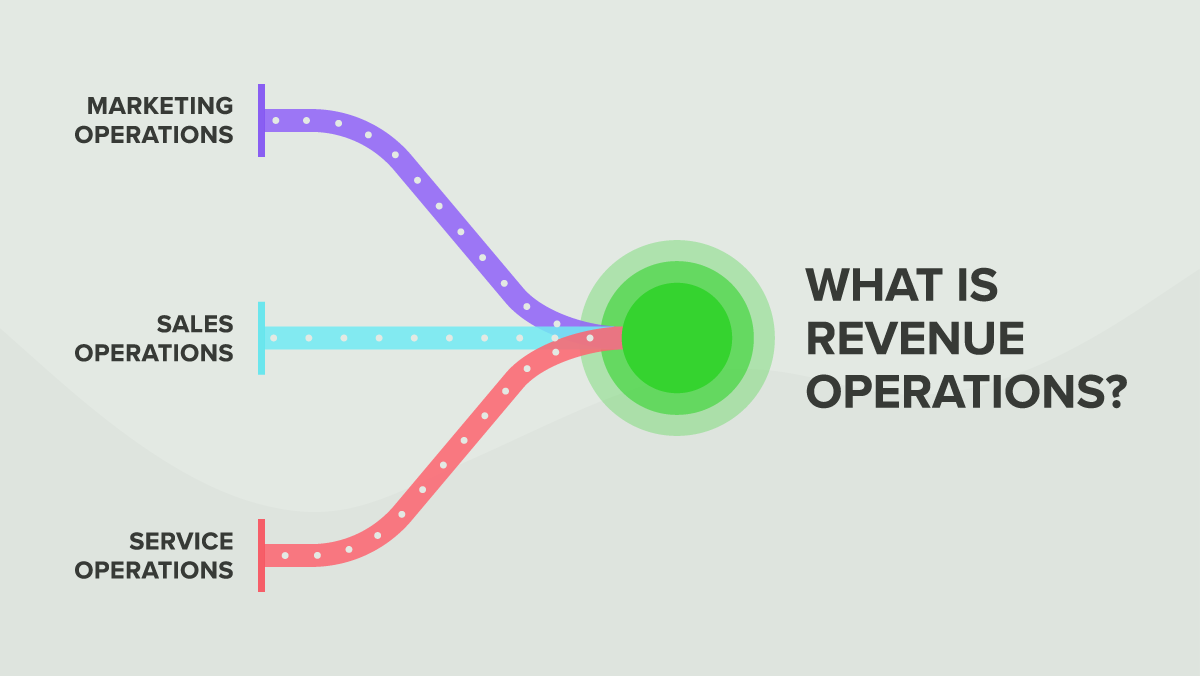
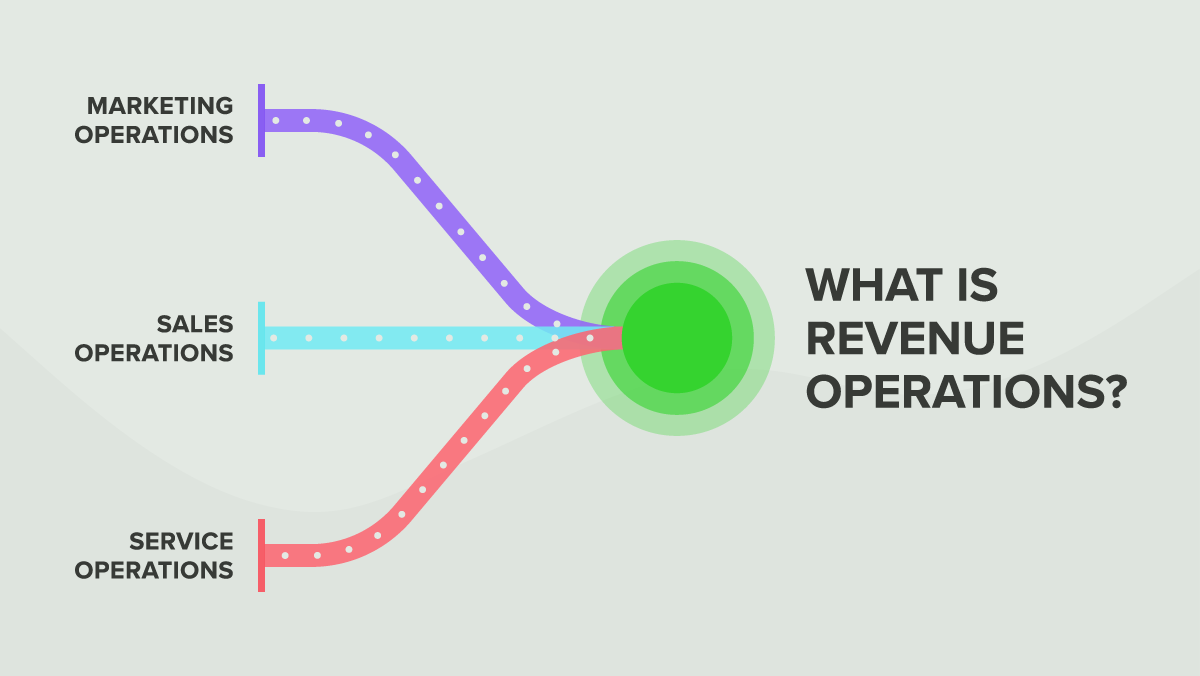
Revenue Operations (RevOps) was once a coordination problem between teams now it’s a data orchestration challenge. Modern companies run on fragmented systems: sales works in Pipedrive, marketing in HubSpot, delivery in ClickUp or Asana, and leadership in BI dashboards. The result? Lagging insights, duplicated work, and siloed execution.
A RevOps Automation Framework solves that by integrating data, triggers, and actions across the full revenue lifecycle. Instead of aligning teams through meetings, alignment happens through workflow automation triggered by shared data and real-time visibility.
The evolution of RevOps: from coordination to orchestration
Traditional RevOps aimed to align people and processes. Today, alignment depends on system intelligence: how quickly data flows and how accurately it triggers decisions.
Automation platforms like Make.com, n8n, and Zapier now act as the connective tissue between departments. CRM tools provide the source of truth, voice agents capture customer intent, and BI dashboards track outcomes.
Together, they form an operational feedback loop where every touchpoint from first outreach to client retention becomes measurable and actionable.
The core layers of a RevOps Automation Framework
1. CRM as the command center
Your CRM (such as Close, HubSpot, or Pipedrive) holds the pipeline, lifecycle stages, and revenue attribution data. Automation connects it with every downstream system ensuring leads, deals, and renewals always stay in sync.
Best practices:
- Keep one source of truth for deal ownership and value
- Trigger workflows on key lifecycle changes (deal won/lost, renewal, expansion)
- Use webhooks instead of manual exports to maintain real-time accuracy
2. Voice agents for scalable conversations
Voice automation bridges the gap between sales and service. AI-powered voice agents can qualify leads, route calls, or follow up automatically based on CRM data.
Example workflow:
- AI voice agent calls leads marked as “contacted” but not “qualified”
- Captures answers and sentiment
- Updates CRM with notes and conversion probability
This frees sales reps to focus on high-value interactions while automation handles repetitive outreach.
3. Analytics and BI for feedback loops
BI tools like Looker Studio, Metabase, or Airtable Interfaces provide dashboards that visualise conversion data, churn, and LTV trends. When connected to automation, these insights trigger closed-loop actions not just reports.
Example:
If LTV or retention dips, a Make.com scenario can automatically:
- Notify the customer success manager
- Update churn risk in CRM
- Schedule a proactive call via AI agent
How automation breaks silos
A functional RevOps automation setup ensures data flows seamlessly between marketing, sales, and delivery tools.
Marketing → Sales
- Lead data from forms or ad platforms syncs automatically into CRM
- Voice agent follows up leads that haven’t replied within 24 hours
Sales → Delivery
- Won deals trigger onboarding workflows and account creation
- Project management tools receive tasks dynamically with key metadata
Delivery → Leadership
- Completion data updates dashboards
- Renewal opportunities are flagged automatically in CRM
This architecture removes the human bottleneck in information transfer. Alignment stops depending on meetings and becomes data-driven by design.
Common automation patterns in RevOps
| Pattern | Description | Tools |
|---|---|---|
| Lead routing | Assign new leads to sales reps by region or score | Make.com, n8n |
| Deal automation | Trigger next steps when a deal stage changes | Pipedrive, Close |
| Customer handoff | Automate onboarding workflows after sales closure | ClickUp, Asana, HubSpot |
| Churn prevention | Identify inactive customers and trigger outreach | BI tools + AI agents |
| Voice follow-up | Schedule automated voice calls based on CRM status | Aircall, CloudTalk, Scalevise Voice AI |
Each pattern compounds operational efficiency and data consistency across departments.
Measuring RevOps automation success
To validate ROI, track these core metrics:
- Lead response time — should drop by at least 50% when automations trigger immediate outreach.
- Pipeline accuracy — number of deals updated automatically vs manually.
- Revenue cycle time — how fast data moves from marketing qualified to closed won.
- Customer lifetime value (LTV) — measure improvements from consistent follow-ups and retention workflows.
Automation doesn’t just save time it extends the operational bandwidth of every team involved in revenue generation.
Building your own RevOps automation framework
- Audit data flow: map every system that holds customer or deal information.
- Identify latency: find where manual steps or handovers slow down processes.
- Design workflow triggers: define which actions should start automations.
- Integrate tools: connect CRM, BI, voice, and project systems through APIs.
- Govern the process: assign data owners and maintain audit logs.
RevOps automation isn’t a one-time setup it’s a continuous optimisation loop. Each improvement compounds across departments, building resilience and predictability.
The bottom line
Automation is the infrastructure behind modern RevOps.
When sales, marketing, and delivery operate on shared data and automated workflows, growth becomes measurable, repeatable, and scalable.
Companies that integrate CRM systems with AI voice agents and BI dashboards don’t just streamline operations they eliminate the need for manual coordination altogether.
Scalevise helps businesses design RevOps automation frameworks that connect every stage of the revenue journey, from first contact to renewal, with transparency and precision.